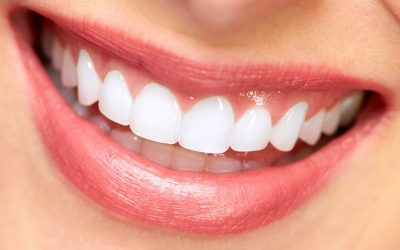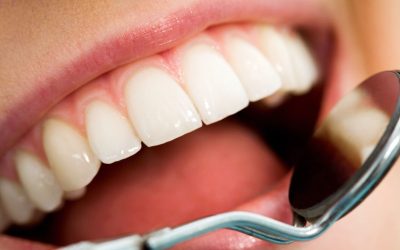
Dental damage can affect both the function and appearance of a smile, especially when a tooth becomes chipped, cracked, stained, worn, or uneven. Cosmetic dentistry helps improve the look of damaged teeth while supporting better balance, comfort, and long-term oral health.
For patients in Tempe, AZ, cosmetic dentistry can be used to address visible tooth concerns caused by injury, decay, grinding, aging, or previous dental work. A cosmetic dentist can evaluate the condition of the teeth and recommend treatment options based on the type and severity of the damage.
What Types Of Dental Damage Can Affect Smile Appearance?
Dental damage can happen suddenly or develop slowly over time. Some people notice a chip after biting into something hard, while others gradually see worn edges, discoloration, or changes in tooth shape.
Common types of dental damage include:
- Chipped teeth
- Cracked or fractured teeth
- Worn front teeth
- Darkened or discolored teeth
- Uneven tooth edges
- Gaps caused by trauma or shifting
- Old dental work that no longer blends naturally
Even minor damage can make a smile look less balanced. Cosmetic dentistry focuses on restoring a more natural appearance while also considering how the teeth function during biting and chewing.
How Can A Cosmetic Dentist Evaluate Damaged Teeth?
Before recommending cosmetic treatment, a cosmetic dentist examines the teeth, gums, bite, and surrounding structures. This step helps determine whether the concern is purely cosmetic or connected to a deeper dental issue.
An evaluation may include checking for:
- Tooth cracks that extend below the surface
- Weak enamel or worn biting edges
- Signs of decay or infection
- Gum recession around damaged teeth
- Bite pressure caused by grinding or clenching
This process is important because cosmetic improvements work best when the underlying tooth is healthy and stable. If the tooth needs restorative care first, that may be addressed before appearance-focused treatment begins.
What Cosmetic Dentistry Options Help Repair Chipped Teeth?
Chipped teeth are one of the most common reasons people consider cosmetic dentistry. The right treatment depends on the size and location of the chip.
For small chips, dental bonding may be used to reshape the tooth with tooth-colored resin. Bonding can help smooth rough edges, restore shape, and improve symmetry. For larger chips, veneers or crowns may be considered if the tooth needs more coverage or strength.
A cosmetic dentist may also evaluate whether the chip was caused by bite pressure. If grinding contributed to the damage, a protective appliance may be recommended to reduce future wear.
Can Cosmetic Dentistry Improve Discolored Damaged Teeth?
Yes, cosmetic dentistry can improve discoloration caused by staining, trauma, aging, or old dental materials. However, the right option depends on the source of the discoloration.
Teeth whitening may help when stains are on or near the surface of the enamel. However, whitening may not fully correct discoloration caused by trauma, internal tooth changes, or existing crowns and fillings.
When discoloration is deeper or uneven, cosmetic options such as bonding, veneers, or crowns may create a more consistent tooth color. A cosmetic dentist can explain which approach is most appropriate based on the tooth’s condition.
How Can Cosmetic Dentistry Address Worn Or Uneven Teeth?
Worn teeth can make a smile appear older, uneven, or less balanced. Wear often happens because of grinding, clenching, acid exposure, or long-term use.
Cosmetic dentistry may help restore a smoother, more even look by improving tooth shape, edge length, and proportions. Depending on the severity, treatment may include bonding, veneers, or crowns.
For patients in Tempe, AZ, this type of care can be especially helpful when worn front teeth affect both appearance and speech or biting comfort. A cosmetic dentist may also look for signs of jaw tension or bite imbalance before planning treatment.
Does Cosmetic Dentistry Only Improve Appearance?
Cosmetic dentistry primarily focuses on smile appearance, but many treatments also support function. A chipped, cracked, or worn tooth may affect how the teeth come together, how pressure is distributed, or how comfortable it feels to chew.
For example, a crown can improve the appearance of a damaged tooth while also helping protect remaining structure. Bonding can smooth a sharp edge that irritates the tongue or cheek. Veneers can improve color and shape while creating a more balanced smile line.
This connection between appearance and function is why cosmetic treatment should be planned carefully rather than viewed as only a visual improvement.
When Should Dental Damage Be Treated Promptly?
Some cosmetic concerns can be scheduled after an evaluation, but certain symptoms may require quicker attention. Dental damage should not be ignored if it causes pain, sensitivity, swelling, or trouble chewing.
Warning signs include:
- Sharp pain when biting
- Sensitivity that lingers
- A visible crack
- Swelling near the tooth or gums
- A darkened tooth after injury
- A loose or broken restoration
These signs may indicate that the damage extends beyond the visible surface. A cosmetic dentist or general dentist can identify whether the tooth needs restorative treatment before cosmetic improvements are made.
How Can Cosmetic Dentistry Help Restore Confidence?
A damaged tooth can affect the way a person smiles, speaks, or interacts with others. Even when the issue is small, it may become something they notice every day.
Cosmetic dentistry can help restore confidence by improving visible imperfections in a way that looks natural. Treatments can be designed to match surrounding teeth, support facial balance, and preserve as much natural tooth structure as possible.
For many patients, the goal is not to create a dramatic change. It is often to make the smile look healthy, complete, and comfortable again.
What Should Patients Consider Before Cosmetic Dental Treatment?
Before starting cosmetic dentistry, patients should consider their oral health, treatment goals, budget, and long-term maintenance. Some treatments may require more upkeep than others, and results can be affected by habits such as grinding, smoking, or frequent consumption of staining foods and drinks.
Helpful questions to ask include:
- Is the tooth healthy enough for cosmetic treatment?
- Will the treatment match surrounding teeth?
- How long can results typically last?
- What daily habits may affect the outcome?
- Are there protective steps to prevent future damage?
A cosmetic dentist can explain available options and help patients choose a treatment plan that fits their smile and oral health needs.
Restore Your Smile With Professional Cosmetic Dentistry
Dental damage does not always mean a smile has to stay uneven, discolored, or incomplete. Patients in Tempe, AZ, can learn how professional cosmetic dentistry may help improve chipped, worn, stained, or damaged teeth with treatment options designed around their needs. Understanding available solutions is the first step toward a healthier-looking smile.