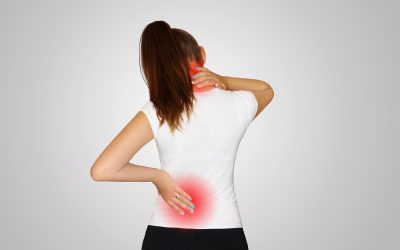
Joint restrictions can make everyday movements feel harder because they may limit how smoothly the spine, hips, shoulders, or other joints move through their normal range of motion. When motion becomes limited, nearby muscles, ligaments, and nerves may work harder to help the body complete simple tasks such as bending, turning, reaching, or standing from a seated position.
For people in Keystone, FL, joint restrictions may develop gradually from daily habits, old injuries, repetitive movements, prolonged sitting, or uneven physical stress. While occasional stiffness is common, recurring tightness or discomfort may be a sign that the body is compensating for limited joint motion. A local chiropractor may evaluate these movement patterns and explain whether chiropractic adjustment may be appropriate.
What Are Joint Restrictions?
A joint restriction occurs when a joint does not move as freely as it should. This does not always mean the joint is damaged. In many cases, it means the surrounding muscles, connective tissues, and joint structures are not working together efficiently.
In the spine, restricted movement may affect how the neck, mid-back, or lower back responds during normal activity. A person may notice that turning one direction feels easier than the other, or that bending forward feels tight before pain even begins. These small changes can influence posture, walking, lifting, and balance.
Joint restrictions may also occur outside the spine. The hips, pelvis, shoulders, ribs, knees, and ankles all play a role in daily movement. When one area does not move well, another area may take on extra work.
Why Can Simple Movements Start to Feel Difficult?
Simple movements often require more coordination than people realize. Picking up a bag, looking over the shoulder while driving, or getting out of bed requires the spine and joints to move in a connected sequence. If one part of that sequence becomes restricted, the body may change the way it moves.
For example, limited motion in the lower back or pelvis may make bending feel uncomfortable. Tightness in the mid-back may affect shoulder movement. Reduced neck motion may make driving, working at a computer, or sleeping comfortably more difficult.
Over time, these changes can create muscle fatigue. Muscles may tighten to protect an irritated area or to stabilize a joint that is not moving well. This can make the original restriction feel worse and may lead to recurring discomfort.
How Do Joint Restrictions Relate to Back Pain?
Back pain is often connected to more than one factor. Muscle tension, joint stiffness, posture, activity level, core strength, and daily movement habits can all contribute. When spinal joints do not move well, nearby tissues may become irritated or overloaded.
Chiropractic Care for Back Pain often focuses on improving motion, reducing unnecessary stress on surrounding tissues, and helping the body move more efficiently. A chiropractic adjustment may be used to restore better joint movement when a chiropractor determines that restricted motion is part of the problem.
This does not mean every type of back pain requires the same approach. Some cases may need exercise guidance, soft tissue care, lifestyle changes, or referral for additional medical evaluation. A careful assessment helps determine what type of care is appropriate.
What Happens During a Chiropractic Evaluation?
A chiropractic evaluation usually begins with a discussion of symptoms, health history, activity level, and daily habits. The chiropractor may ask when the stiffness began, what movements make it worse, and whether the discomfort travels into other areas.
The exam may include posture checks, range-of-motion testing, orthopedic testing, muscle assessment, and spinal or joint motion evaluation. These steps help identify whether restricted movement, muscle guarding, or uneven stress patterns may be contributing to the problem.
For someone searching for a chiropractic clinic near Keystone, this type of evaluation can provide useful information before care begins. It helps move the conversation beyond pain alone and into how the body is functioning during everyday movement.
How Can a Chiropractic Adjustment Help?
A chiropractic adjustment is a controlled technique used to improve joint motion. Depending on the patient, the method may be manual or instrument-assisted. The goal is not simply to “crack” the back, but to help restricted joints move more comfortably and efficiently.
When joint motion improves, the surrounding muscles may have less need to guard or compensate. Some people report improved flexibility, reduced stiffness, or easier movement after care. Results vary based on the cause of the restriction, the duration of symptoms, and the person’s overall health.
A local chiropractor may also recommend stretching, strengthening, ergonomic changes, or movement strategies to help maintain progress. Chiropractic treatment back pain plans are often most useful when they address both joint movement and the habits that may be contributing to recurring stress.
When Should Stiffness Be Evaluated?
Mild stiffness after activity may improve with rest, hydration, and gentle movement. However, recurring stiffness that limits daily tasks should not be ignored. It may be helpful to schedule an evaluation if movement feels uneven, pain keeps returning, or simple actions such as bending, reaching, or turning feel harder than usual.
People should seek prompt medical attention for severe pain after trauma, numbness, weakness, loss of bladder or bowel control, fever, unexplained weight loss, or pain that worsens rapidly. These symptoms may point to a condition that needs urgent medical review.
For non-emergency stiffness or recurring back discomfort, a chiropractor can help assess whether joint restriction may be part of the issue.
Move Easier Before Restrictions Control Your Day
If simple movements feel harder than they should, do not wait until stiffness limits work, sleep, or daily routines. Learn how professional chiropractic adjustment services may support better joint motion and chiropractic care for back pain in Keystone, FL. A focused evaluation can help identify restrictions, explain options, and guide your next step toward more comfortable movement.