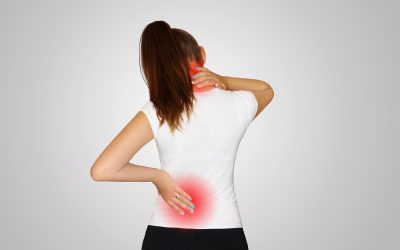
Herniated and bulging discs can place pressure on nearby nerves, leading to lower back pain, leg pain, tingling, numbness, or reduced mobility. Nonsurgical spinal decompression is often discussed as a conservative option when disc-related pressure may be contributing to these symptoms.
For people in Mt Pleasant, SC, disc-related back pain can affect work, driving, exercise, and everyday routines. Understanding how decompression works, when it may be recommended, and what an evaluation involves can help patients make more informed decisions about care.
What Are Herniated and Bulging Discs?
Spinal discs sit between the bones of the spine and help absorb shock during movement. Each disc has a softer center and a tougher outer layer. A bulging disc occurs when the disc extends beyond its usual position. A herniated disc occurs when the inner material pushes through a weakened or torn part of the outer layer.
Both conditions can affect nearby nerves, especially in the lower back. When this happens, pain may remain local or travel into the hips, buttocks, legs, or feet. Some people also experience burning, pins-and-needles sensations, or muscle weakness.
Not every bulging or herniated disc causes symptoms. Some are discovered during imaging for unrelated reasons. This is why a physical evaluation is important before assuming that a disc is the only cause of pain.
What Is Non Surgical Spinal Decompression?
Non Surgical Spinal Decompression is a conservative therapy that uses a specialized table or device to gently stretch the spine. The goal is to reduce pressure on discs, joints, and irritated nerves by creating controlled spinal unloading.
During treatment, the patient is positioned on a decompression table while the device applies measured traction. The movement is typically gradual and controlled. It is not designed to force the spine, but to create space and reduce mechanical pressure in the affected region.
For readers comparing conservative spine care options, Harbor Wellness Co. provides information about nonsurgical spinal decompression and how they discuss this treatment for spine-related discomfort.
How May Decompression Help Disc-Related Pain?
When a disc bulges or herniates, nearby nerves may become irritated. This irritation can create pain that travels from the lower back into the leg, commonly described as sciatica. Decompression therapy may be considered when the goal is to reduce pressure around those structures.
By gently stretching the spine, Chiropractic Decompression may help reduce compression forces in the lower back. This may support improved movement, reduced irritation, and better tolerance for daily activity. However, results vary depending on the severity of the disc issue, the patient’s health history, and whether other factors are contributing to the pain.
Decompression is often part of a broader care plan. It may be paired with stretching, strengthening, posture guidance, ergonomic changes, soft tissue therapy, or other conservative treatments.
When Is Chiropractic Decompression Commonly Recommended?
Chiropractic Decompression may be recommended when symptoms suggest that disc pressure or nerve irritation is involved. This may include lower back pain that worsens with sitting, bending, lifting, or long periods of standing. It may also be considered when pain travels into the buttocks, thighs, calves, or feet.
A provider may also consider decompression when symptoms have not improved with basic self-care, activity modification, or other conservative approaches. The goal is to match the treatment to the source of the problem, rather than applying the same approach to every case of back pain.
In Mt Pleasant, SC, people with active lifestyles may notice symptoms during walking, golf, boating, cycling, gym workouts, yard work, or long commutes. These activity patterns can help a provider understand what is placing stress on the lower back.
What Does a Decompression Chiropractor Evaluate?
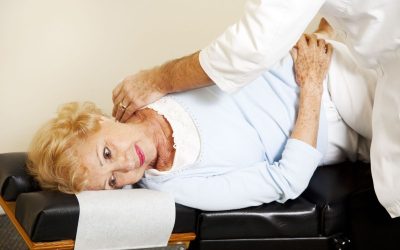
A Decompression Chiropractor typically begins with a consultation and physical examination. They may ask when the pain started, where it travels, what movements make it worse, and what helps relieve it. They may also review posture, range of motion, reflexes, muscle strength, and nerve-related symptoms.
The evaluation may include orthopedic and neurological tests to help determine whether the pain is disc-related, joint-related, muscular, or connected to another issue. Imaging may be reviewed or recommended when symptoms are severe, persistent, or associated with nerve changes.
The purpose of the evaluation is to determine whether decompression is appropriate. Some patients may benefit from decompression, while others may need a different treatment approach.
Who May Not Be a Candidate for Decompression?
Nonsurgical decompression is not appropriate for every person with back pain. It may not be recommended for certain fractures, advanced osteoporosis, spinal instability, tumors, infections, or specific surgical histories. Pregnant patients and people with certain implanted devices may also require other forms of care.
Certain symptoms should be evaluated promptly. These include loss of bladder or bowel control, progressive leg weakness, numbness in the groin area, fever with back pain, or severe pain after trauma. These symptoms may signal a more urgent medical issue.
What Should Patients Expect From a Care Plan?
A care plan for disc-related lower back pain often includes more than one therapy. Decompression may address spinal pressure, while exercises may improve strength and stability. Posture and movement education may help reduce repeated strain on the lower back.
The number of visits can vary. Some patients may need a short course of care, while others with longer-standing symptoms may require a more structured plan. Progress is usually measured by changes in pain, mobility, sleep, sitting tolerance, walking ability, and daily function.
Final Thoughts
Herniated and bulging discs can create significant discomfort when they irritate nearby nerves. Nonsurgical spinal decompression may be considered when disc pressure appears to be part of the problem and the patient is a suitable candidate.
For people in Mt Pleasant, SC, the most important step is getting an accurate evaluation. Once the source of pain is better understood, a provider can determine whether decompression, exercise-based care, chiropractic support, or another conservative approach may be appropriate.