Carpenter ants are a significant concern for homeowners throughout Massachusetts, especially in the varied climate of Plymouth County. These wood-destroying insects can silently compromise the structural integrity of your home, often going unnoticed until substantial damage has already occurred. If you’re searching for effective ways to protect your property, seeking out trusted Carpenter Ant Control Plymouth County MA solutions can be your first step toward safeguarding your investment and peace of mind.
Understanding Carpenter Ants and Their Threat
Carpenter ants are among the largest ants found in the United States. Unlike termites, they do not eat wood but excavate it to build their nests, creating intricate galleries inside walls, beams, and other wooden structures. Over time, this activity can weaken the framework of a home, leading to costly repairs. Common signs of a carpenter ant infestation include:
- Small piles of sawdust-like material known as frass
- Faint rustling noises within walls
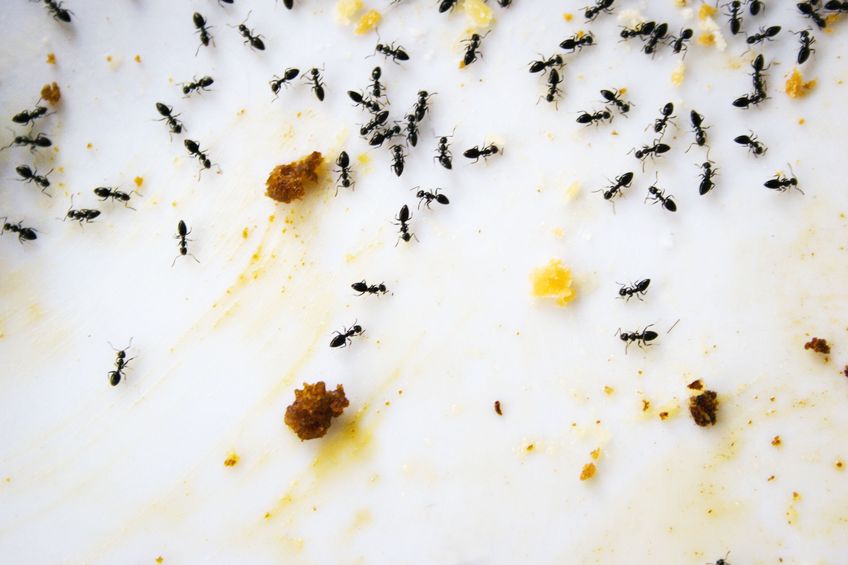
- The presence of large, black or red ants, especially near moist or decaying wood
- Winged ants emerging indoors, particularly in spring
Early detection is crucial, as carpenter ants prefer to nest in damp or water-damaged wood but can move into sound wood if left unchecked.
Proven Methods for Carpenter Ant Control
To effectively eliminate carpenter ants and prevent future infestations, a comprehensive approach is necessary. Here are some of the most reliable strategies employed by pest control professionals and recommended for homeowners:
1. Inspection and Identification
The first step in any control program is a thorough inspection. Identifying the location of nests and entry points is vital. Professionals typically examine attics, basements, crawl spaces, and exterior wood structures, looking for moisture issues and wood damage.
2. Elimination of Moisture Sources
Carpenter ants are attracted to damp environments. Addressing leaks, improving ventilation, and ensuring proper drainage around your home can make it less inviting for these pests. Regularly check for:
- Leaky roofs, windows, or pipes
- Poorly sealed door and window frames
- Clogged gutters and downspouts
3. Targeted Treatments
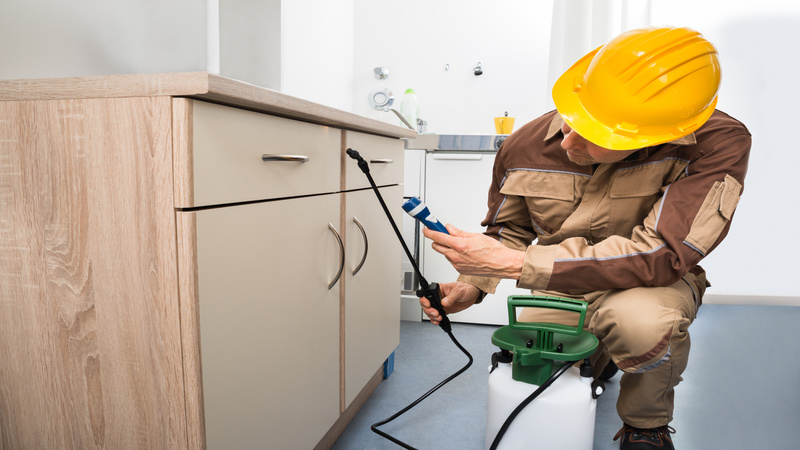
Professional-grade baits and insecticidal dusts are often used to eradicate colonies. These treatments are applied directly to nesting sites and ant trails. In some cases, drilling small holes in infested wood allows for precise application, ensuring the entire colony is reached.
4. Structural Repairs and Prevention
Once carpenter ants are eliminated, repairing damaged wood and sealing potential entry points is essential. Replace rotted wood, caulk cracks and crevices, and trim tree branches that touch your home to reduce future risk.
Why Professional Solutions Matter?
While DIY efforts can provide temporary relief, carpenter ant colonies are notoriously difficult to fully eradicate without expert intervention. Professionals have the training and tools to locate hidden nests and apply treatments safely and effectively. Moreover, they can offer ongoing monitoring and maintenance to ensure your home remains protected year-round.
Protecting Your Home for the Long Term
Carpenter ants pose a persistent threat to homes in Plymouth County, but with a proactive approach, you can minimize the risk of damage. By understanding the signs of infestation, addressing moisture problems, and relying on proven control methods, homeowners can maintain the structural soundness and value of their property. Timely action, combined with professional expertise, is key to keeping your home safe from these destructive pests.