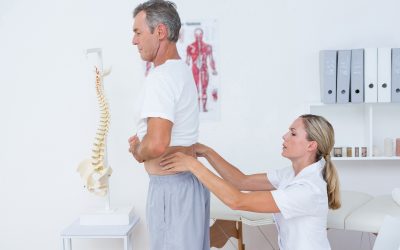
For individuals suffering from chronic back pain, sciatica, or disc injuries, finding a comprehensive treatment approach is essential for long-term relief. Spinal decompression therapy is a popular non-invasive method to alleviate pain by reducing pressure on the spinal discs and nerves.
When combined with physical therapy, the benefits of spinal decompression therapy can be maximized, leading to faster recovery, improved mobility, and overall better spinal health.
What is Spinal Decompression Therapy?
Spinal decompression therapy is a non-surgical treatment designed to relieve pressure on the spinal discs and nerve roots. This therapy works by using a traction device that gently stretches the spine, creating a negative pressure environment within the discs. This negative pressure encourages the herniated disc material to retract back into place and increases the space between the vertebrae, which can reduce nerve compression.
The therapy is commonly used for conditions such as:
- Herniated or bulging discs
- Sciatica
- Degenerative disc disease
- Spinal stenosis
- Other spinal conditions that lead to nerve compression
Spinal decompression therapy can help improve the function of the spine, reduce inflammation, and promote healing by encouraging nutrient-rich fluids to flow into the affected discs. It is often performed in multiple sessions over several weeks, depending on the severity of the condition.
For more information on spinal decompression therapy, check out this page.
The Role of Physical Therapy in Spinal Recovery
Physical therapy plays a crucial role in the recovery process after spinal injuries or conditions. While spinal decompression therapy focuses on relieving pressure and promoting healing within the discs, physical therapy helps strengthen the muscles surrounding the spine, improving stability and function. A physical therapist can create a customized program to address individual needs, focusing on exercises that target:
- Core Strengthening: Strengthening the muscles that support the spine helps improve posture, reduce strain on the discs, and prevent further injury.
- Flexibility: Improving flexibility through targeted stretching can help alleviate muscle tightness and reduce stress on the spine.
- Posture Training: Proper posture is essential for spinal health, and physical therapy can teach techniques to improve posture during daily activities.
- Pain Management: Physical therapists often use techniques like heat, cold, and electrical stimulation to help reduce pain and inflammation.
Together, spinal decompression and physical therapy create a powerful combination for managing spinal conditions, enhancing recovery, and preventing future injuries.
How Spinal Decompression and Physical Therapy Work Together
When used together, spinal decompression and physical therapy create a holistic approach to treating spinal conditions. Here’s how they complement each other:
1. Alleviating Pain and Reducing Inflammation
Spinal decompression therapy provides immediate relief by decompressing the discs and nerves, reducing pressure, and decreasing inflammation. Physical therapy follows up by helping the body regain strength and flexibility, ensuring that the spine remains supported and protected as it heals.
2. Promoting Healing and Recovery
Spinal decompression therapy helps rehydrate the discs and repair damaged tissues by increasing blood flow to the affected area. Physical therapy can then build on this by strengthening the muscles that support the spine, preventing future injuries and improving long-term spinal health.
3. Preventing Reinjury
By strengthening the muscles that support the spine, physical therapy helps to stabilize the spine and prevent further damage. This is especially important for individuals who have experienced a herniated disc or other injuries. Spinal decompression therapy helps with the initial pain relief, while physical therapy ensures that the spine stays strong and stable after recovery.
4. Improving Mobility and Function
While spinal decompression helps restore disc health, physical therapy focuses on improving mobility and flexibility. Together, they work to reduce stiffness and pain, allowing individuals to regain normal movement and functionality. This combined approach is particularly beneficial for individuals who have difficulty moving due to conditions like sciatica or degenerative disc disease.
5. Supporting Long-Term Spinal Health
Spinal decompression therapy provides short-term relief, but physical therapy helps address the root cause of the pain by strengthening and stabilizing the spine. This long-term approach helps prevent future injuries and promotes overall spinal health, ensuring that patients stay pain-free in the long run.
Why Integrating Spinal Decompression with Physical Therapy Makes Sense
The combination of spinal decompression therapy and physical therapy provides a comprehensive approach to spinal health. While spinal decompression focuses on addressing the structural issues within the spine, physical therapy helps with muscle strengthening, flexibility, and posture correction. Together, these treatments address both the immediate symptoms and the long-term health of the spine.
Moreover, using both therapies together can reduce the need for invasive procedures like surgery, making this an excellent option for patients who want to avoid more invasive treatments. The holistic approach ensures that patients not only experience pain relief but also achieve lasting results.
If you are dealing with a spinal condition such as a herniated disc, sciatica, or degenerative disc disease, integrating spinal decompression therapy with physical therapy could offer the relief and recovery you need.
For more details about spinal decompression therapy and physical therapy options, visit South Florida Health Institute. They provide comprehensive care to help you achieve optimal recovery and improve your spinal health.
Take the First Step Toward Recovery
If you’re struggling with back pain, sciatica, or other spinal issues, combining spinal decompression therapy with physical therapy could be the solution you’ve been looking for. This comprehensive approach can help alleviate pain, improve mobility, and promote long-term spinal health.