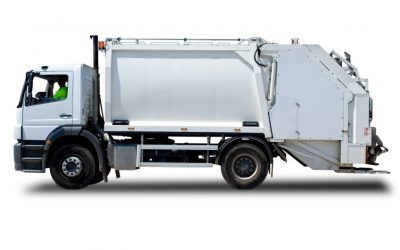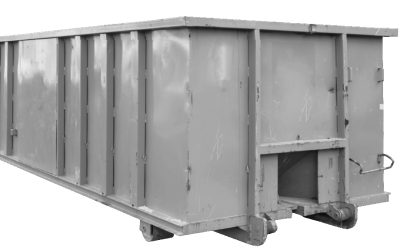
Managing household waste is a routine part of life for every family, yet the process can often be cumbersome and time-consuming. For residents seeking an efficient and environmentally responsible way to handle their trash, the Fayetteville Transfer Station offers a practical solution. This facility has become an essential resource for local families, simplifying the process of waste disposal and supporting community efforts to maintain a clean and sustainable environment.
Simplifying Drop-Off and Disposal
One of the primary benefits of using a transfer station is the convenience it provides. Unlike traditional landfill visits, which can be overwhelming and often require navigating large, busy sites, transfer stations are designed for quick, easy drop-offs. Residents can bring a variety of household waste items—including bulky furniture, yard debris, and general refuse—without the need for special arrangements or scheduling.
Key advantages for families include:
- Centralized location: The facility is strategically situated to serve the local community, minimizing travel time and fuel usage.
- User-friendly layout: Marked areas and helpful staff make unloading straightforward, even for first-time visitors.
- Flexible hours: Accommodating schedules allow families to dispose of waste at times that best fit their routines.
By streamlining these processes, the Fayetteville transfer station helps families save time and avoid the hassle of traditional disposal methods.
Promoting Sustainability Through Responsible Waste Management
In addition to convenience, transfer stations play a crucial role in promoting environmentally friendly waste management. Rather than sending all materials directly to landfills, these facilities act as sorting centers, directing recyclable and reusable items to appropriate destinations. This not only reduces the volume of waste ending up in landfills but also supports broader recycling initiatives within the community.
Families benefit from:
- Recycling opportunities: Many transfer stations accept items like cardboard, plastics, and metals, making it easy for residents to participate in recycling efforts.
- Proper hazardous waste handling: Transfer stations often guide the disposal of items like batteries, electronics, and chemicals, ensuring these materials are managed safely and in compliance with environmental regulations.
- Educational resources: Informational signage and staff assistance help families understand best practices for sorting and reducing household waste.
By making sustainable practices more accessible, the Fayetteville transfer station encourages families to contribute positively to their local environment.
Supporting Community Cleanliness and Health
Efficient residential waste disposal has a direct impact on neighborhood cleanliness and public health. Transfer stations help reduce illegal dumping and litter by providing a reliable, affordable option for disposing of unwanted items. This, in turn, leads to cleaner streets, parks, and public spaces, fostering a healthier and more attractive community for everyone.
Additionally, by centralizing waste management, transfer stations help local governments and organizations optimize resources and reduce the environmental footprint associated with waste collection and transportation.
For families in the area, the Fayetteville transfer station represents more than just a place to drop off trash—it is a valuable community asset that streamlines residential waste disposal, promotes sustainable practices, and helps maintain a clean, healthy environment. By offering convenient access, responsible sorting, and helpful resources, this facility makes it easier for local households to manage their waste efficiently and responsibly. As a result, families can enjoy greater peace of mind knowing they are contributing to a greener future for their community.