In the past, specific types of metals were used in the development of medical products, including medical implants and medical devices. Today, thanks to the advancement of different types of plastics, there are better, more durable and less costly options for materials that provide a superior product. Plastics can dramatically extend the life cycle of implantable medical devices, which is a significant advantage for patients.
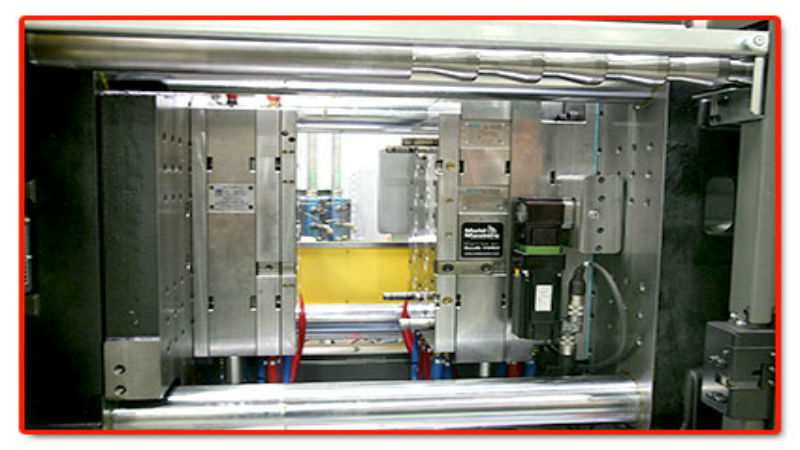
Typically, all medical products made from plastics are developed through clean room molding. This ensures the end part or component meets all required standards and quality control factors. In addition, the specifics of the medical product design dictate the type of process that has to be used, the materials selected and even the quality control process that have to be put in place.
Choice of Plastics
An important consideration in medical product design is the choice of the specific type of plastic material. Different options in plastics from PCV or polyvinyl chloride provide low cost, durable types of resins that are ideal for single-use sterile types of plastic products. Other types of resins often used include PEEK, PP, PE, nylon, ABS, and PET.
There are also specific types of polymers that are specifically chosen as part of the medical product design process due to their biocompatibility. These types of materials do not react negatively with the body, and can also be designed to improve tissue adhesion, reduce trauma to tissues during positioning of the device and also to reduce the risk of infection and irritation post-procedure. With the high levels of corrosion resistance and the non-reactive nature of plastics, secondary issues and complications associated with the use of metal devices can be virtually eliminated.
The choice of the right plastic is just as important as the design and the production methods used. Throughout the steps of designing and developing the best materials and methods, different options can be considered and evaluated based on their characteristics and performance.
