Are you looking to upgrade your property with a durable, cost-effective driveway solution that can withstand Arizona’s harsh climate? Asphalt millings offer an excellent alternative to traditional paving methods, providing both economic and environmental benefits. However, one crucial factor often overlooked is determining the proper thickness for your asphalt milling driveway.
Getting the thickness right isn’t just about following a standard measurement—it requires careful consideration of various factors specific to your property and usage needs. Too thin, and your driveway may develop issues prematurely; too thick, and you could be wasting money unnecessarily.
In this comprehensive guide, we’ll explore the optimal thickness for asphalt milling driveways, examine the factors that influence this critical decision, and explain why professional installation from experienced asphalt contractors makes all the difference in your driveway’s performance and longevity.
Understanding Asphalt Millings
Before diving into thickness recommendations, let’s clarify what asphalt millings actually are. Asphalt millings are recycled asphalt pavement (RAP) materials that have been removed from existing roads or parking lots during resurfacing projects. These materials are processed through a milling machine that grinds the old asphalt into small, gravel-like pieces of varying sizes.
Unlike traditional hot-mix asphalt, which requires heating and specialized installation equipment, asphalt millings can be laid cold and compacted into place. This recycled material offers several advantages:
- Cost savings of 40-60% compared to new asphalt
- Environmentally friendly reuse of existing materials
- Excellent drainage properties
- Dust control superior to gravel driveways
- Flexibility in application and maintenance
However, to gain these benefits, proper installation thickness is absolutely essential. The right thickness ensures your driveway will perform well for years to come, even under challenging conditions.
Recommended Thickness Guidelines
When it comes to asphalt milling driveways, there’s no one-size-fits-all answer to thickness. However, industry standards provide some general guidelines based on property type and expected usage:
Residential Driveways:
- Base layer: 4-6 inches of compacted asphalt millings
- Surface layer (optional): 2-3 inches of finer millings or top dressing
Commercial Properties:
- Base layer: 6-8 inches of compacted asphalt millings
- Surface layer: 2-4 inches of finer millings or top coat
- Heavy equipment areas: May require 8-12 inches total thickness
The key word here is “compacted.” The final thickness after proper compaction will be approximately 70-80% of the loose-laid thickness. For example, to achieve a 4-inch compacted base, you’ll need to start with roughly 5-6 inches of loose millings.
For optimal performance, many professional asphalt contractors recommend a two-layer approach: a thicker base layer of coarser millings topped with a thinner layer of screened, finer millings for a smoother finish.
Factors That Affect Required Thickness
Several critical factors influence how thick your asphalt milling driveway should be:
1. Soil Conditions
The quality and stability of the subgrade (the soil beneath your driveway) significantly impact thickness requirements. In Arizona, where soils can range from expansive clay to loose sand, proper assessment is crucial:
- Clay or expansive soils: Require thicker applications (6+ inches) to prevent surface movement
- Sandy or well-draining soils: May perform well with standard thickness (4-5 inches)
- Previously disturbed soils: Often need additional thickness for stability
2. Climate Considerations
Phoenix’s extreme heat and occasional heavy rain events create unique challenges for driveways:
- Heat resistance: Thicker applications (5+ inches) withstand thermal expansion better
- Freeze/thaw cycles: Northern Arizona properties may need additional thickness
- Monsoon season: Proper thickness helps prevent washouts during heavy rains
3. Traffic Load
The weight and frequency of vehicles using your driveway directly impact thickness requirements:
- Standard passenger vehicles only: 4 inches may be sufficient
- Recreational vehicles or boats: 5-6 inches recommended
- Commercial trucks or equipment: 6-8+ inches necessary
- Frequent heavy deliveries: Consider 8+ inches in delivery areas
4. Drainage Requirements
Proper water drainage is essential for driveway longevity, especially in areas prone to flash flooding:
- Flat terrain: May require thicker application with designed crown
- Sloped properties: Can sometimes utilize slightly thinner application
- Areas with poor drainage: Require additional thickness and proper grading
A professional asphalt contractor will evaluate all these factors to recommend the optimal thickness for your specific situation.
Installation Process and Best Practices
The installation process for asphalt millings is just as important as the thickness decision. Here’s how professionals ensure optimal results:
1. Proper Base Preparation
- Removal of vegetation and organic materials
- Excavation to appropriate depth (typically 4-12 inches)
- Grading and sloping for drainage (typically 1/4 inch per foot)
- Compaction of subgrade soil before adding millings
2. Material Application
- Layered installation for thicker applications
- Application of 3-4 inches of millings at a time
- Thorough compaction between layers
- Proper moisture content for optimal compaction
3. Compaction Techniques
Compaction is the most critical element of proper installation. Professional contractors use:
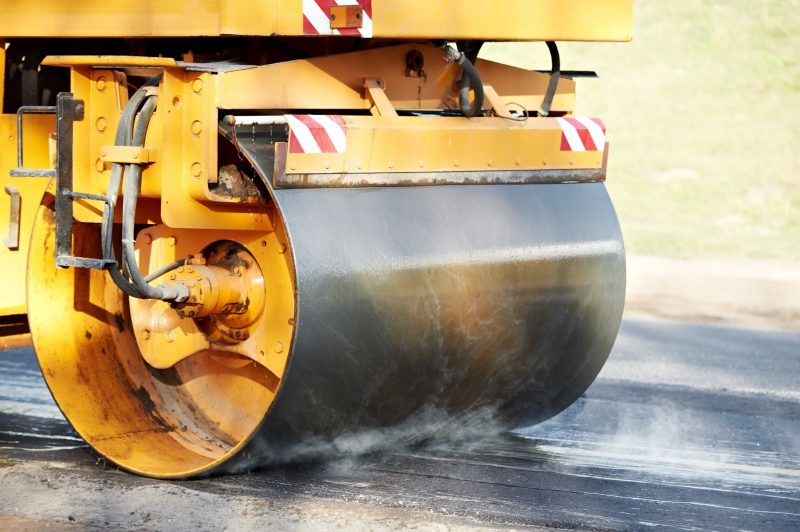
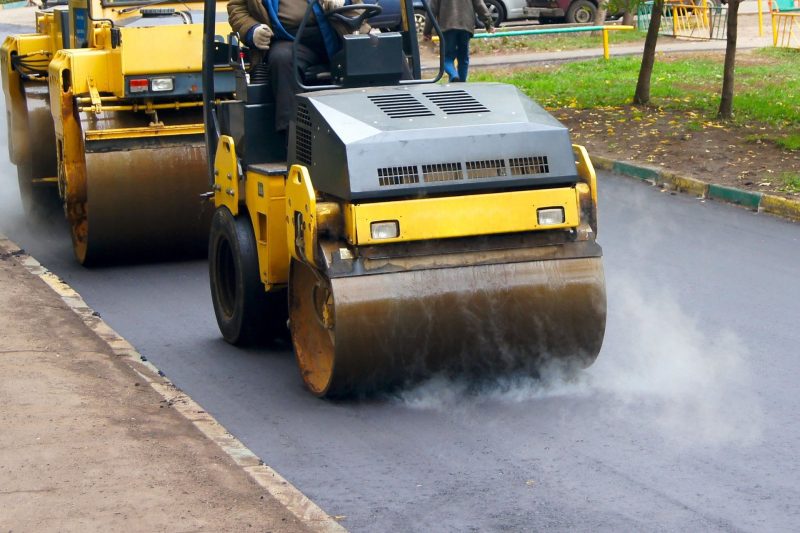
- Heavy vibratory rollers for deep compaction
- Multiple passes in different directions
- Water application when necessary for dust control and binding
- Edge compaction to prevent deterioration
4. Finishing Methods
- Final grading for smooth surface and proper drainage
- Application of finer millings for top layer
- Sealant application (optional) for additional binding
- Edges shaped to prevent crumbling
The right equipment and techniques make all the difference in achieving the proper thickness and compaction. A poorly compacted 8-inch layer can perform worse than a properly compacted 4-inch layer.
Cost Implications of Thickness Decisions
The thickness of your asphalt milling driveway directly impacts both initial installation costs and long-term maintenance expenses:
Initial Cost Factors:
- Material volume: Each additional inch adds approximately 15-20% to material costs
- Equipment requirements: Thicker applications require heavier compaction equipment
- Labor intensity: Proper compaction of thicker layers requires more time and expertise
Long-Term Considerations:
- Maintenance frequency: Properly thick driveways require less frequent maintenance
- Repair costs: Thin driveways often need more extensive repairs over time
- Replacement timeline: Adequate thickness can extend service life by 5-10 years
While it might be tempting to reduce thickness to save on initial costs, this approach often leads to higher total expenses over the driveway’s lifetime. A professional assessment helps determine the most cost-effective thickness for your specific situation.
Professional vs. DIY Installation
When it comes to asphalt milling driveways, thickness decisions are just one area where professional experience makes a significant difference:
DIY Challenges:
- Difficulty achieving proper compaction without commercial equipment
- Inconsistent thickness leading to uneven wear and premature failure
- Challenges in accurate material estimation
- Limited access to quality millings sources
Professional Advantages:
- Expertise in evaluating site-specific requirements
- Access to commercial-grade compaction equipment
- Relationships with quality material suppliers
- Experience with proper layering and finishing techniques
The proper thickness can only deliver its full benefits when installed correctly. Professional asphalt contractors bring the knowledge, equipment, and techniques necessary to ensure your driveway performs as expected for years to come.
Environmental Benefits of Asphalt Millings
Beyond performance and cost advantages, asphalt millings offer significant environmental benefits:
- Recycled materials: Reduces landfill waste and conserves natural resources
- Reduced energy consumption: No heating required, unlike traditional asphalt
- Lower carbon footprint: Fewer emissions compared to new asphalt production
- Water permeability: Better drainage reduces runoff compared to concrete
Choosing the right thickness enhances these environmental benefits by ensuring the longest possible service life from these recycled materials.
The optimal thickness for your asphalt milling driveway depends on various factors including soil conditions, climate considerations, expected traffic, and proper installation techniques. While residential driveways typically perform well with 4-6 inches of properly compacted millings, commercial properties often require 6-8+ inches to handle heavier loads.
Rather than guessing at the right thickness for your specific situation, consult with experienced asphalt contractors who can evaluate your property’s unique needs. ALK Asphalt specializes in asphalt milling installations throughout the Phoenix and Sun City areas, bringing over 60 years of combined experience to every project.
Ready to install a durable, cost-effective asphalt milling driveway with the perfect thickness for your needs? Contact ALK Asphalt today at (602) 218-4997 for a professional consultation and competitive quote.